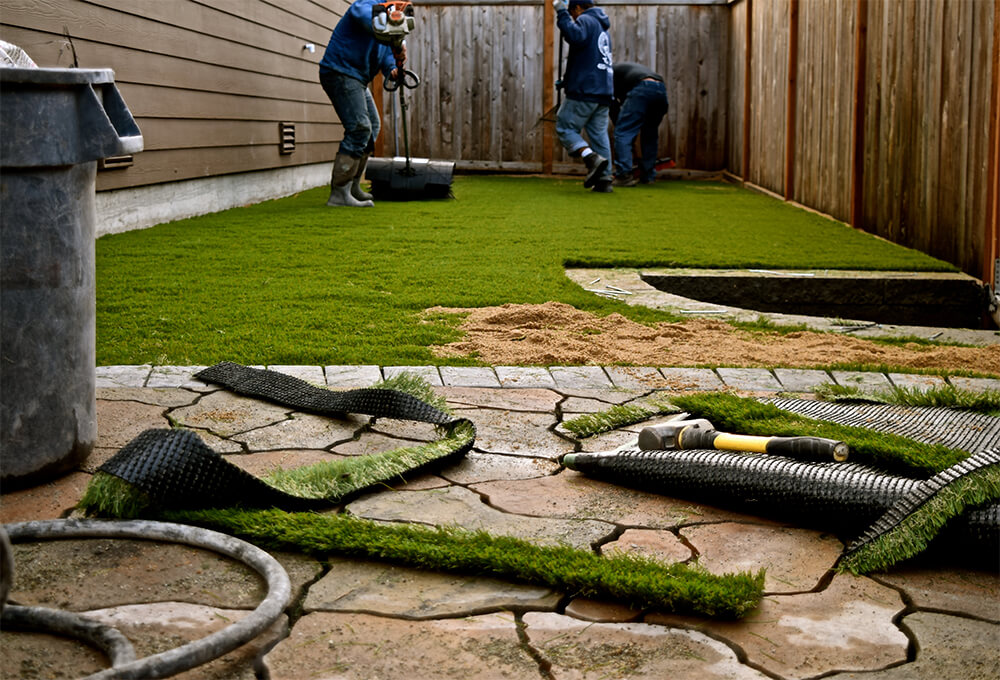
Artificial turf is an excellent choice for homeowners, businesses, and sports facilities looking to reduce maintenance costs and enjoy a lush, green lawn year-round. However, like any landscaping project, improper installation can lead to problems that can be costly to fix. Whether you’re considering artificial grass for your home garden, sports field, or commercial property, it’s crucial to get the installation right from the start.
In this article, we will highlight the most common mistakes people make when installing artificial turf and provide tips on how to avoid them. By learning from these mistakes, you can ensure your artificial turf installation is successful and long-lasting.
1. Skipping Proper Ground Preparation
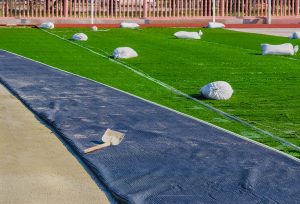
One of the biggest mistakes people make when installing artificial turf is skipping or skimping on ground preparation. Proper preparation is essential for ensuring a smooth, level surface that promotes good drainage and prevents wrinkles, bumps, or unevenness in the turf.
What to do:
- Remove existing grass or debris: Begin by removing any old grass, weeds, and debris. This can be done manually or with a turf cutter.
- Level the surface: Ensure the ground is level by filling in low spots and leveling high spots.
- Compaction: Compact the soil using a mechanical compactor to create a firm base that won’t shift over time.
- Install a weed barrier: Lay down a weed barrier fabric to prevent unwanted growth from coming through the turf.
Proper ground preparation is crucial for the longevity and performance of your artificial grass.
2. Using Inadequate Drainage Systems
Artificial turf is designed to allow rainwater and irrigation to drain away efficiently. Without proper drainage, water can accumulate beneath the turf, leading to unpleasant odors, mold growth, and turf damage.
What to do:
- Ensure proper slope: Install a slight slope (about 1-2%) to direct water runoff toward drainage areas.
- Use a perforated base: The base material, usually crushed stone or gravel, should be permeable to water to facilitate proper drainage.
- Install drains: If your installation site doesn’t have natural drainage, consider adding a drainage system (like French drains or perforated pipes) to direct excess water away.
Poor drainage can result in premature wear and tear on your artificial turf, so don’t overlook this important step.
3. Not Allowing for Turf Expansion and Contraction
Artificial turf can expand and contract with temperature fluctuations. If the turf is installed too tightly, it may warp, wrinkle, or become loose over time.
What to do:
- Leave room for expansion: Always leave a small gap between the turf and the edges of the installation area. This allows the turf to expand during hot weather without buckling or distorting.
- Stretch the turf properly: When installing the turf, ensure it is stretched evenly to avoid slack that could lead to wrinkling.
Allowing space for the turf to move naturally will keep it looking fresh and prevent damage caused by temperature changes.
4. Improper Seaming Techniques
Seaming, or joining pieces of artificial turf together, can be tricky. Incorrect seaming can result in gaps, seams that are visible, or edges that come apart over time.
What to do:
- Use the correct adhesives: Always use high-quality turf adhesive designed for artificial grass when seaming two pieces together.
- Ensure precise cuts: Use a sharp utility knife to make clean, precise cuts along the edges of the turf.
- Align fibers correctly: When seaming the turf, make sure the fibers in the adjacent pieces of turf are aligned in the same direction for a seamless look.
Proper seaming ensures the longevity of your artificial turf and keeps it looking flawless for years.
5. Neglecting the Use of Infill
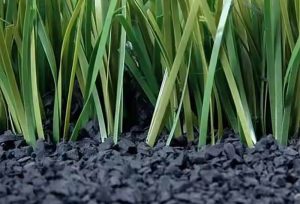
Infill is an essential component in the installation of artificial turf, as it helps to provide cushioning, support the blades of grass, and improve durability. Failing to apply the correct amount of infill can result in a flat, lifeless appearance and may affect the turf’s performance.
What to do:
- Choose the right infill: There are different types of infill materials, such as silica sand, rubber, or organic options. Choose one based on the type of turf and its intended use.
- Apply the right amount: Use a broom or power brush to evenly distribute the infill across the surface. Be sure to follow the manufacturer’s recommended guidelines for the proper amount of infill.
Using the right amount of infill will help maintain the look and feel of your artificial turf while providing essential performance benefits.
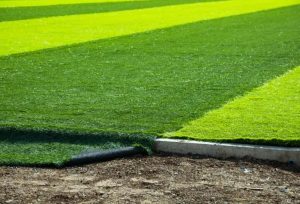
6. Overlooking the Importance of Edging
Edging is a crucial part of the installation process that ensures the turf stays securely in place. Without proper edging, your artificial turf can start to pull away from the edges, leading to a messy, uneven look.
What to do:
- Install solid edging materials: Use metal, plastic, or timber edging to secure the turf along its perimeter. This will help hold the turf in place and maintain clean lines.
- Secure the turf properly: Use landscape staples or nails to fasten the turf to the ground along the edges.
Well-installed edging will help keep your artificial turf neat and prevent shifting over time.
7. Underestimating Maintenance Requirements
While artificial turf requires less maintenance than natural grass, it is not maintenance-free. Some people neglect the ongoing care that artificial turf needs, leading to premature wear and tear.
What to do:
- Brush regularly: Use a stiff-bristle broom or a power brush to brush the turf fibers regularly to maintain an upright position and prevent matting.
- Clean debris: Remove leaves, twigs, and other debris from the turf regularly. A leaf blower or rake can help keep the surface clean.
- Check for damage: Inspect the turf periodically for signs of damage, such as tears or shifting, and address any issues promptly.
By performing these basic maintenance tasks, you can ensure your artificial turf stays in top condition for many years.
Conclusion
Installing artificial turf can be a rewarding investment, but it’s important to avoid common mistakes that can affect the performance and longevity of your lawn. By properly preparing the ground, ensuring good drainage, allowing for expansion and contraction, using correct seaming techniques, and paying attention to maintenance, you can enjoy a beautiful, functional artificial grass lawn that will last for many years.
For more tips and guidance on artificial turf installation, feel free to explore our other blog posts or contact our team for personalized assistance!